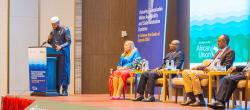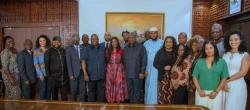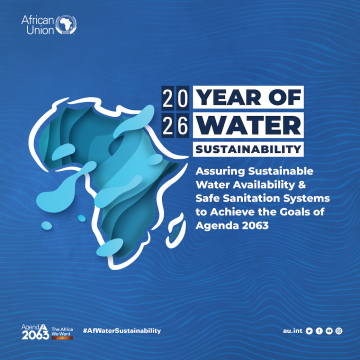

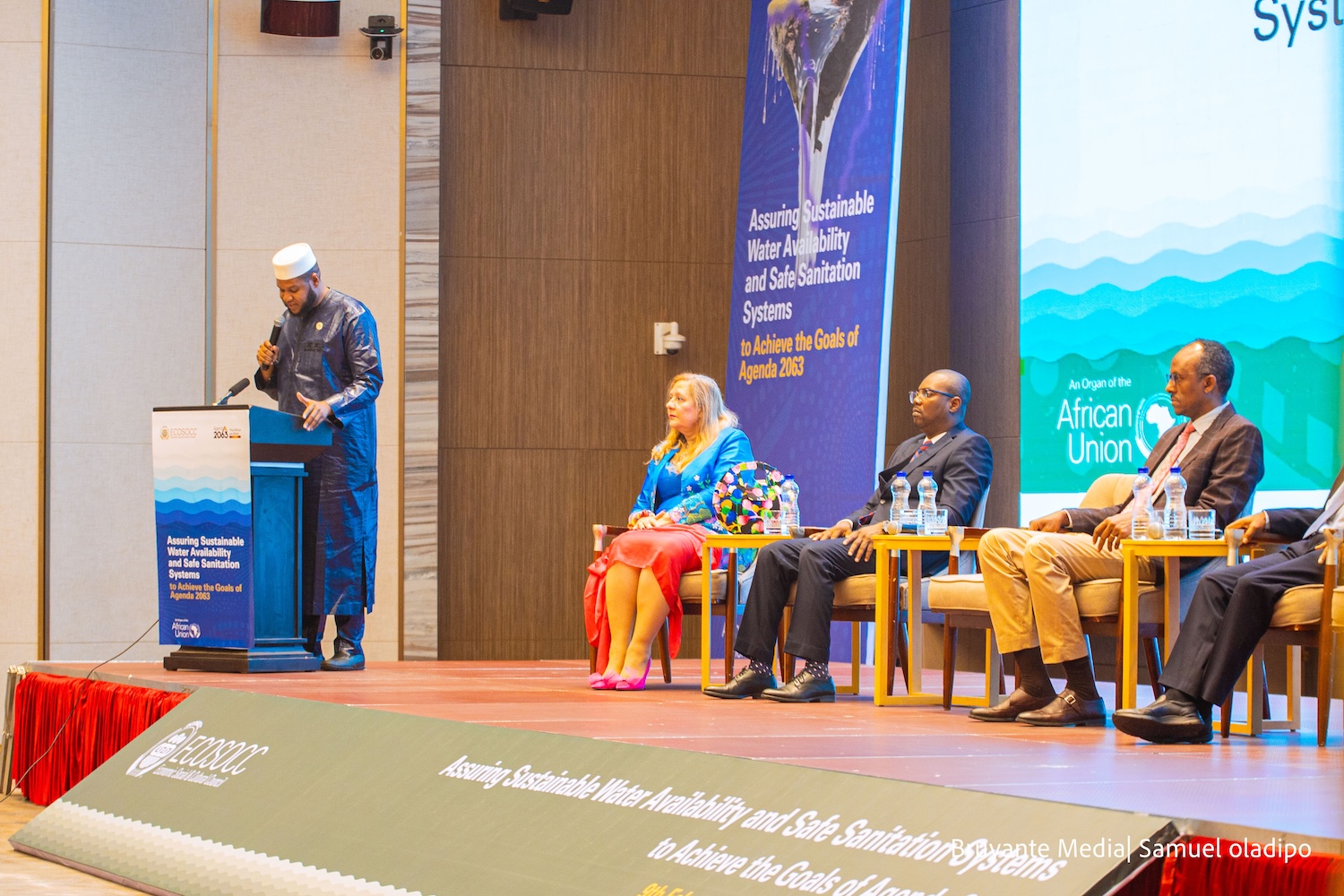
The African Union Economic, Social and Cultural Council (AU-ECOSOCC) convened its 2026 Civil Society Pre-Summit on the African Union Theme of the Year, “Assuring Sustainable Water Availability and Safe Sanitation Systems to Achieve the Goals of Agenda 2063.”
The Pre-Summit held on the margins of the AU’s 39th Summit, brought together policymakers, civil society actors, private sector leaders, development partners, and knowledge institutions to deliberate on Africa’s water and sanitation challenges as a foundation for inclusive development, human dignity, and continental transformation.
Water and Sanitation as Pillars of Africa’s Development
Dr. Ing. Habtamu Itefa Geleta, Minister of Water and Energy of the Federal Democratic Republic of Ethiopia underscored the power of water resources to sustain lives, energize economies, and unite African nations through cooperation and mutual benefit.
He noted that Africa possesses abundant water resources, including vast river systems and groundwater reserves, yet over 400 million Africans lack access to safe drinking water, while more than 700 million people live without adequate sanitation. These gaps, he emphasized, have resulted in thousands of children dying annually from water-related diseases and the continent losing billions of dollars in productivity and healthcare costs, directly undermining health, education, and economic goals, as well as the dignity of African people.
The Minister further posited that sustainable water and sanitation systems are the fundamental building blocks for achieving the aspirations of Agenda 2063, including economic growth, education, and climate resilience. He highlighted that civil society organizations are not peripheral actors but essential partners in addressing the water crisis, describing them as the voice of the unheard, monitors of government commitments, and innovators of context-specific solutions.
Civil Society and Participatory Governance
Echoing the Minister’s sentiments, Mr. Louis Cheick Sissoko, ECOSOCC’s Presiding Officer, emphasized that solving Africa’s water and sanitation crisis was a non-negotiable prerequisite for prosperity, health, and dignity.
“Water and sanitation are not isolated sectoral concerns. They underpin public health, food security, energy production, education, industrialization, and climate resilience,” he stated.
He further emphasized ECOSOCC’s objective of widening the space for civil society engagement to ensure that policy discussions are informed by both technical frameworks and lived realities, “particularly from communities that experience water scarcity, inadequate sanitation, and climate-related shocks on a daily basis.”
Agenda 2063 and Collective Responsibility
Amb. William Carew, Head of the ECOSOCC Secretariat, commended civil society organizations represented for their perseverance, belief in Agenda 2063, and unwavering commitment to the dignity of every African.
“Your unflinching support to ECOSOCC is praiseworthy and gives us hope for the Africa we are building together,” he said, stressing that the Theme of the Year was not merely a policy priority but a matter of justice, dignity, and Africa’s survival.
Political, Economic, and Technological Perspectives
The Pre-Summit further featured high-level interventions from H.E Moses Vilakati, Commissioner for Agriculture, Rural Development, Blue Economy and Sustainable Environment (ARBE) at the African Union Commission; Dr. Amany Asfour, President of the Africa Business Council; and Dr. Anika Altaf, Executive Director of Include Knowledge Platform.
Commissioner Vilakati described the 2026 Theme of the Year as “a political and developmental imperative” for Africa, emphasizing that water and sanitation are central to the continent’s sovereignty, resilience, and transformation.
“Without water security and safe sanitation, there can be no food security, no rural transformation, no sustainable cities, no viable economy, and no climate resilience,” he stated, underscoring water as the engine of Africa’s development.
Highlighting the Africa Business Council as the voice of the African private sector, including SMEs, women, and youth, Dr. Asfour emphasized empowerment as a pathway to addressing the water and sanitation crisis.
Meanwhile, Dr. Altaf framed the Water, Sanitation and Hygiene (WASH) crisis as extending beyond infrastructure.
“It’s a profound challenge of governance, systems and data,” she stated, noting that infrastructure is often designed without real-time insights, leading to blind investments that neglect vulnerable communities.
“We react to disasters in hindsight when prevention could have saved lives and livelihoods. This is where the power of technology and AI ignites hope as a mighty enabler in our hands,” she said, inviting participants to imagine AI-driven models capable of forecasting droughts and floods weeks in advance to enable communities to prepare and thrive.
Panel Discussions and Thematic Engagement
The Pre-Summit transitioned into a series of in-depth panel discussions that translated the 2026 AU Theme of the Year into actionable policy reflections, governance priorities, and multi-stakeholder solutions.
Unpacking the 2026 AU Theme on Water and Sanitation
The first panel focused on unpacking the 2026 African Union Theme of the Year and its implications for continental policy coherence and implementation. The discussion featured Nelson Gomonda, Officer-in-Charge of the African Ministers’ Council on Water (AMCOW); Mr. Charles Michael Akol, Environmental Affairs Officer at the United Nations Economic Commission for Africa (UNECA); and Dr. Harsen Nyambe, Director of Sustainable Environment and Blue Economy at the African Union Commission.
The panelists emphasized the need for stronger alignment between continental frameworks, national policies, and local implementation mechanisms. Discussions highlighted persistent gaps in water governance, financing, and coordination, while underscoring the importance of integrated planning across water, sanitation, climate, agriculture, and urban development sectors. The panel also stressed the urgency of translating political commitments into measurable outcomes that directly improve access to water and sanitation for communities across Africa.
Transboundary Water Resources and Regional Cooperation
The second panel examined the role of transboundary water resources as catalysts for regional integration, hydrological security, and economic development. The panelists included Hon. Neema Lugangira, Secretary General of Women Political Leaders; Ms. Fiona Wamijku, CEO of the Mawazo Institute and Co-founder of Mawimbi Ocean Innovation; and Ms. Bezawit Fantu, Strategic Design Consultant at ThinkPlace Africa.
Discussions centered on Africa’s shared river basins and watersheds as opportunities for cooperation rather than competition. The panelists highlighted the importance of inclusive governance models, trust-building among states, and good leadership in managing shared water resources. The panel further underscored that effective transboundary water governance can enhance peacebuilding, climate resilience, and sustainable livelihoods, particularly in regions vulnerable to climate-induced shocks.
Sanitation, Gender, and Youth Inclusion
Sanitation, gender equality, and youth participation formed the focus of the third panel, which brought together voices from governance, legal advocacy, and youth leadership. Contributors included Mr. Donald Deya, CEO of the Pan African Lawyers Union (PALU); Hon. Demba Keita, former Member of Parliament from Senegal; Ms. Caroline Kwamboka, Executive Director of African Renaissance; and youth representatives, including a youth representative, Ms. Amen Biniyam, Project Lead, Pan-African Adolescent Girls movement.
The panel highlighted sanitation as a human rights, dignity, and equity issue, disproportionately affecting women, girls, and young people. The panelists emphasized the need for rights-based legal frameworks, inclusive policy design, and youth-led advocacy to ensure that sanitation solutions are responsive to lived realities. The discussion further stressed that empowering youth and women is not optional but central to achieving sustainable water and sanitation outcomes across Africa.
Partnerships and Multi-Stakeholder Engagement
The final panel focused on partnerships and multi-stakeholder collaboration as enablers of sustainable water and sanitation systems. Panelists included Ms. Helen Kezie-Nwoha, Executive Director of the Women’s International Peace Centre; Mr. Boniface Dulani, Director of Surveys at Afrobarometer; Mr. Vinesh Chintaram, Architect and Urban Planner from Mauritius and Chairperson of ECOSOCC’s Sectoral Cluster Committee on Infrastructure and Energy; and Mr. Tewaney Seifesellassie, Head of Peace, Advocacy and Ethics and Climate Advisor at the Ethiopian Orthodox Church.
Panelists underscored the value of cross-sector collaboration involving governments, civil society, faith-based institutions, academia, and the private sector. Discussions highlighted evidence-based policymaking, citizen trust, ethical leadership, and community engagement as critical enablers of sustainable water and sanitation systems. The panel further emphasized that partnerships rooted in accountability, inclusivity, and shared responsibility are essential to achieving long-term impact.
Conclusion
The Pre-Summit underscored the urgency of coordinated action and reaffirmed that sustainable water and sanitation systems are central to Africa’s future. It highlighted inclusive governance, empowered civil society, innovation, and strategic partnerships as critical pathways toward achieving the aspirations of Agenda 2063.